April 7, 2026
Plumbing issues are one of the most common household headaches, from leaky faucets to clogged drains. Many homeowners feel empowered to tackle small repairs themselves, armed with online tutorials and basic tools. DIY plumbing can save time and money, but it comes with risks. Knowing when a fix is within your skill set—and when it’s time to call in the experts—can prevent costly damage and frustration.
While minor issues may seem manageable, plumbing is a complex system. A small error, like overtightening a pipe or using the wrong sealant, can escalate into a major problem, sometimes requiring extensive repairs. Understanding the balance between DIY fixes and professional intervention is key to keeping your home safe, efficient, and damage-free. This guide will walk you through common scenarios and help you decide when to roll up your sleeves or reach out to a local plumbing company.
Before diving into specific repairs, it’s important to assess your tools, knowledge, and comfort level. Some homeowners are naturally handy, while others may struggle with basic tasks. Recognizing your limits early can prevent mistakes that turn a simple repair into an expensive emergency. This blog will provide guidance on what you can safely handle yourself and what situations call for a professional touch.
Plumbing Repairs You Can Handle
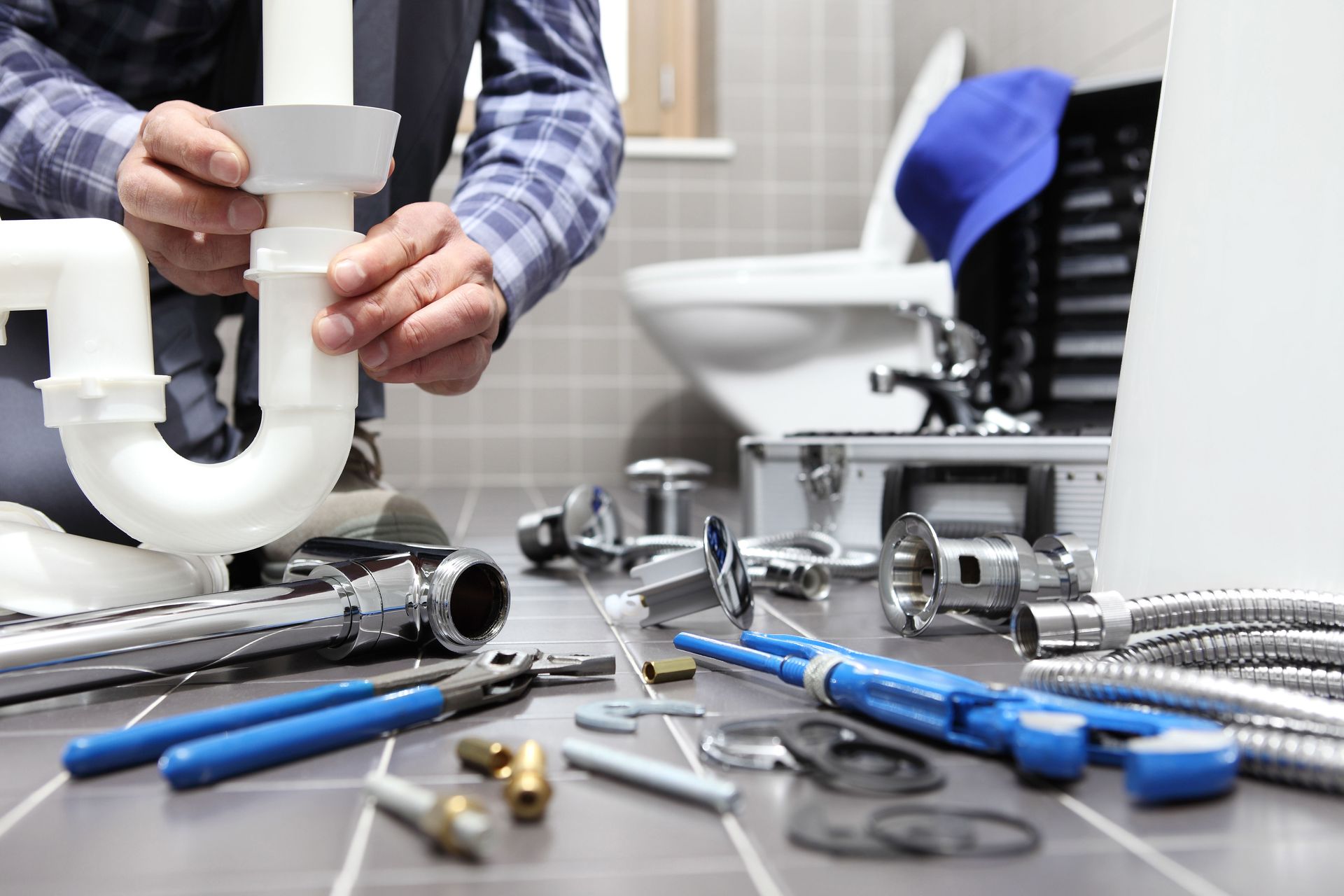
Some plumbing issues are straightforward enough for homeowners to manage without professional help. One of the most frequent DIY tasks is unclogging a sink or shower drain. Using a plunger or a drain snake can often remove blockages caused by hair, soap scum, or food particles. Chemical drain cleaners should be used sparingly, as they can damage pipes over time.
Replacing a faucet washer or cartridge is another manageable DIY task. These components wear out with regular use, causing leaks or drips. With the correct tools and a quick tutorial, most homeowners can replace these parts without disrupting the rest of the plumbing system. Similarly, replacing a showerhead or aerator is usually a simple twist-and-screw process that improves water flow and reduces waste.
DIY plumbing also includes tasks like tightening loose pipe connections or repairing minor leaks in accessible pipes. These repairs often involve simple tools such as wrenches or plumber’s tape. Performing these small fixes can prevent water damage and save money on a service call. However, it’s crucial to turn off the water supply before attempting any repair to avoid accidents.
Even as you tackle these projects, keep in mind that DIY work has limits. Mistakes can turn a minor leak into a flooded kitchen or bathroom. Homeowners should always consider whether the time, tools, and skills available are sufficient for a repair. If in doubt, consulting a local plumbing company is the safest option.
Getting Help from Professionals
Some plumbing problems are too complex or dangerous for DIY solutions. Burst pipes, for example, can cause severe water damage within minutes. The repair often involves shutting off the main water supply, removing damaged sections, and installing new pipes—tasks that require specialized knowledge and equipment.
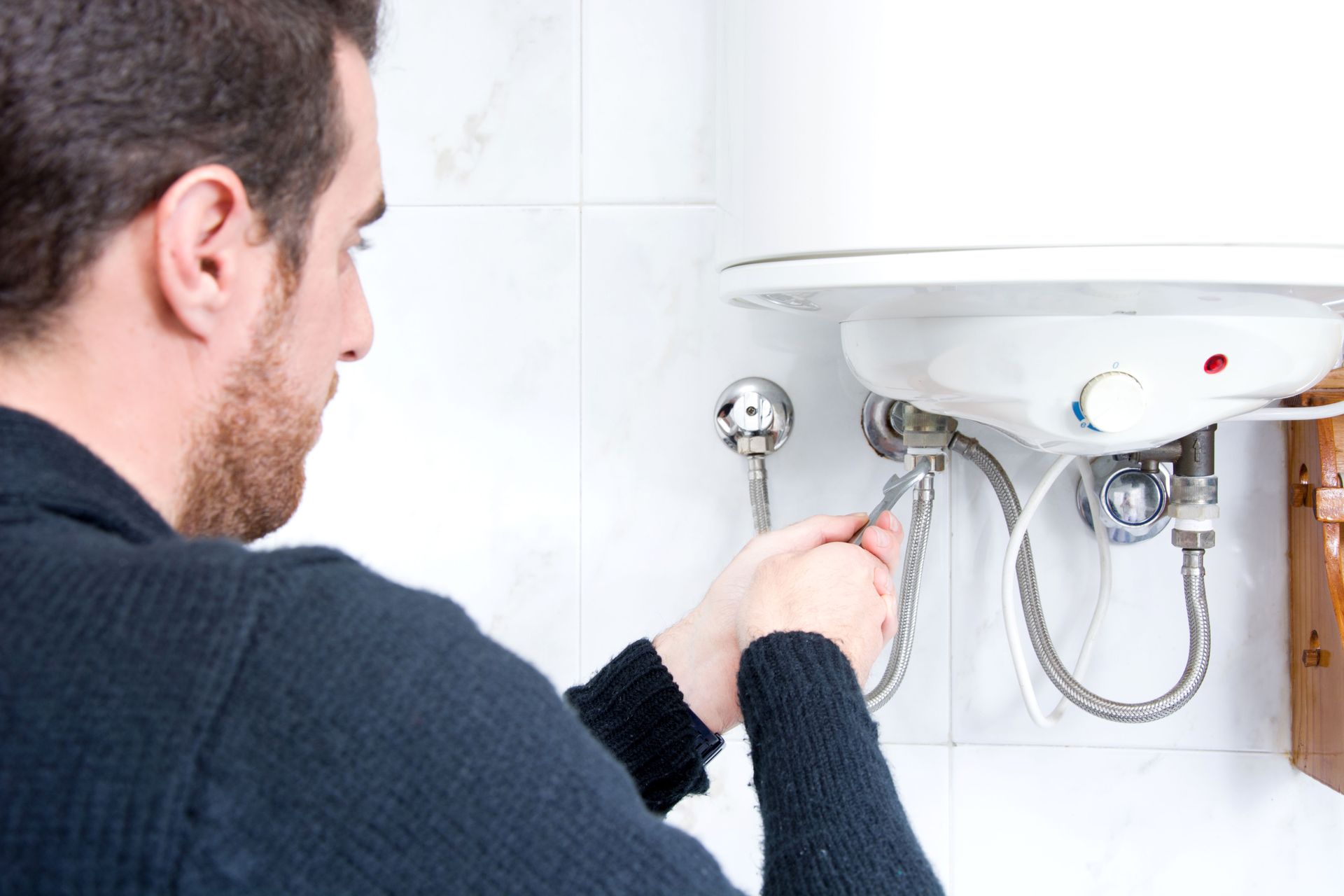
Water heater failures are another situation best left to professionals. Mishandling a water heater can result in burns, gas leaks, or even explosions if the appliance runs on gas. A local plumbing company can ensure proper installation, maintenance, or replacement, keeping your home safe and your water supply reliable.
Sewer line issues are particularly tricky and can’t be solved with basic tools. A clogged or damaged sewer line can back up waste into your home, creating health hazards and costly repairs. Professionals use advanced cameras and high-pressure jetting equipment to diagnose and fix these problems accurately, something a DIY approach cannot safely replicate.
Similarly, major leaks behind walls or under floors require professional intervention. Accessing these areas often involves removing drywall or flooring, then repairing the underlying plumbing system. Improper handling can lead to structural damage or mold growth, further emphasizing the need for expert assistance. Hiring a local plumbing company ensures that the job is completed safely and correctly.
Weighing the Risks and Costs of DIY Plumbing
While DIY plumbing can save money upfront, it can also carry hidden risks. An incorrect repair may cause water damage, mold growth, or deterioration of other plumbing components. These issues can result in repair bills far higher than if a professional had been called in the first place.
Time is another factor to consider. A task that seems simple on a tutorial video can take hours or even days if you’re inexperienced. Frustration can lead to rushed or incomplete fixes, compounding the problem. A local plumbing company has the tools and experience to complete repairs quickly and efficiently, minimizing disruption to your home life.
It’s also important to consider local regulations and warranties. Some plumbing systems require professionals for repairs or replacements to comply with building codes. DIY work may void warranties on appliances, fixtures, or even insurance coverage if something goes wrong. Engaging a professional ensures that all work meets safety standards.
Finally, knowing your limits is crucial. DIY plumbing can be empowering, but recognizing when a problem exceeds your skills is essential for avoiding disaster. A balanced approach—handling minor repairs yourself while calling a local plumbing company for complex issues—can save both money and stress in the long term.
Planning for Long-Term Plumbing Maintenance
Preventive maintenance is key to avoiding costly emergencies. Simple actions, such as regularly cleaning drains, checking for leaks, and monitoring water pressure, can extend the life of your plumbing system. Many homeowners also benefit from annual inspections by a professional plumbing company, which can catch problems before they escalate.
Upgrading fixtures and pipes can also improve efficiency and reduce future repairs. According to the Freedonia Group, demand for plumbing fixtures and fittings in the US is expected to increase 2.3% annually to $20.6 billion in 2029. Investing in quality materials today can prevent frequent DIY fixes tomorrow.
Routine maintenance can include flushing water heaters, checking for corrosion, and ensuring that valves are functioning properly. These tasks not only prevent leaks but also improve water quality and conserve energy. For tasks beyond your comfort level, a plumbing company can provide professional insight and service.
Finally, establishing a relationship with a professional plumbing company ensures that expert help is available whenever needed. Knowing who to call can save precious time during emergencies, giving you peace of mind and keeping your home’s plumbing system in top shape.
DIY plumbing can be a satisfying and cost-effective way to handle minor repairs, but it comes with limits. Understanding which tasks are safe for homeowners and which require professional expertise is critical to preventing damage, saving money, and maintaining a functional plumbing system.
By combining basic DIY skills with professional support, homeowners can achieve a balanced approach to plumbing care. Simple tasks like unclogging drains or replacing faucets can be handled at home, while complex issues—such as burst pipes, sewer line problems, and water heater failures—should be left to a plumbing company. Maintaining this balance ensures your home stays safe, efficient, and well-maintained for years to come.
Planning ahead and addressing plumbing issues early can save significant time and expense. Regular inspections, preventive maintenance, and knowing when to call in a plumbing company can prevent emergencies and extend the lifespan of your plumbing system. Being proactive helps homeowners avoid disruptions, protect property value, and ensure reliable water service for daily life. For reliable plumbing solutions, contact Dale's Plumbing & Rooter Service, your local plumbing company, to handle everything from minor repairs to major emergencies with speed and professionalism. Don’t wait for a small issue to become a costly problem—call us soon.