September 10, 2026
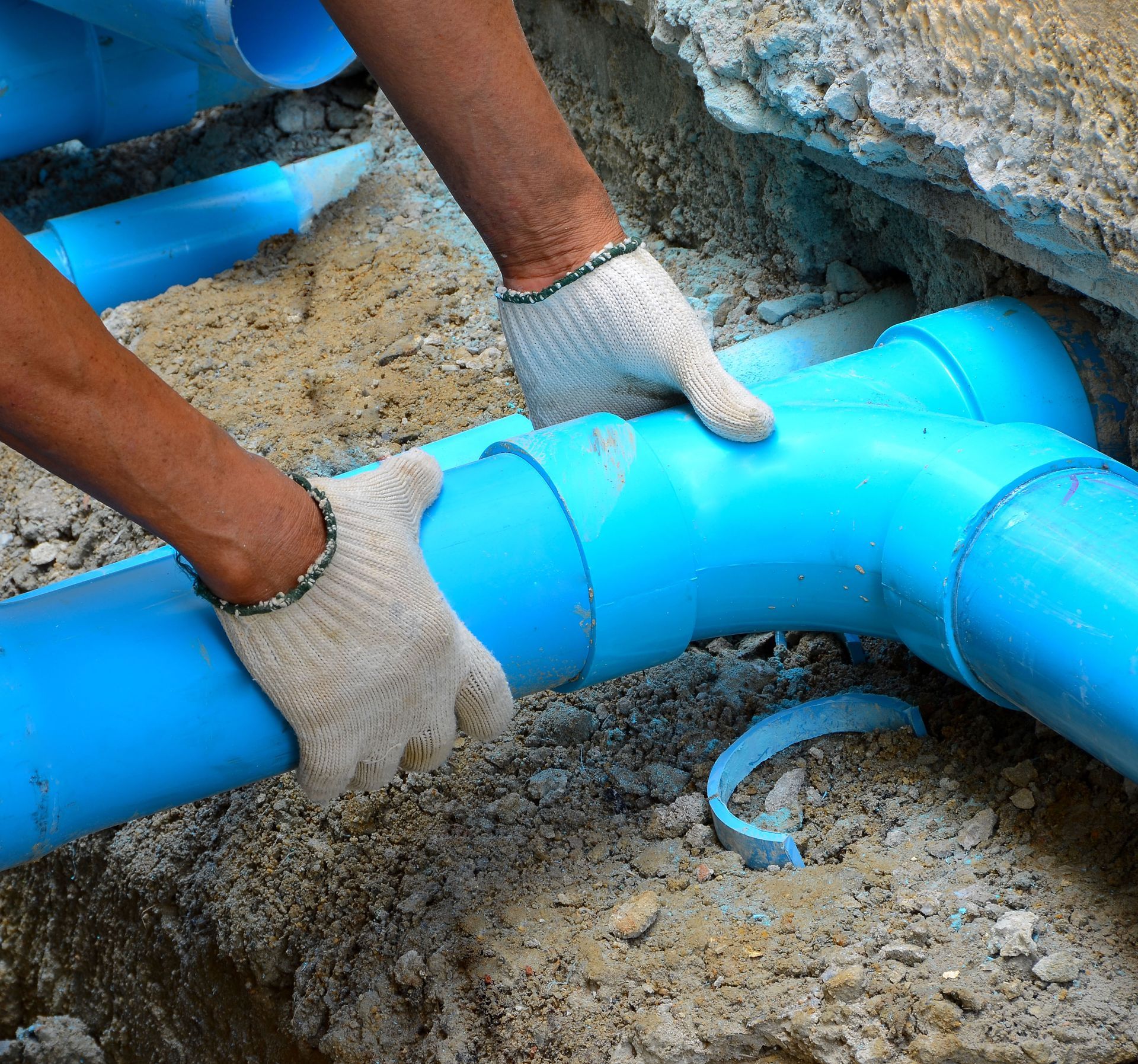
The complexity of sewer line systems and their hidden nature make them susceptible to a variety of issues. Without proper attention, these problems can grow unexpectedly, leading to extensive damage and costly repairs. Understanding the potential problems and implementing preventive measures are essential to maintaining the integrity of your sewer line system. Regular maintenance is key for preventing blockages, backups, and other issues. It's crucial to address small problems early before they escalate into more significant concerns. Homeowners who recognize warning signs and arrange sewer line repair when necessary can reduce the likelihood of disruptive emergencies and protect surrounding areas of their property.
1. Preventing Damage From Tree Root Intrusion
Tree roots are naturally attracted to sources of moisture around sewer lines, often infiltrating through small cracks or joints in the pipes. As the roots grow, they penetrate deeper into the lines, obstructing the flow of sewage and causing blockages. This can lead to backups and overflows, posing significant health risks to homeowners and communities. The attraction of roots can become particularly problematic during dry periods when plants search for available moisture underground. When tree roots invade, the structural integrity of the pipes can gradually become compromised.
Early signs of root intrusion can include slow drains, gurgling noises in toilets, and recurring backups. You might also notice unusually lush patches of grass or vegetation over the sewer line area. These can be indicators of moisture leaking from damaged pipes. Addressing these signs promptly may save homeowners from more extensive problems. A professional inspection can determine whether sewer line repair is necessary or whether roots can be removed before significant structural damage develops.
If roots are left unmanaged, they can cause leaks, cracks, and even complete collapse of the sewer line. This can lead to substantial repair costs, inconvenience to homeowners, and potentially hazardous conditions. Professional inspections can help identify and mitigate root intrusion before severe damage occurs. Proactive measures can help maintain the smooth operation of the sewer system. Installing appropriate root barriers and selecting non-invasive plant species near underground utility lines can also reduce future risks.
2. Managing Pipe Corrosion and Deterioration
Many sewer lines are made from materials that naturally deteriorate over time, including clay, cast iron, and PVC. Corrosion can occur due to chemical reactions between certain pipes, surrounding conditions, and the substances they carry, leading to thinning and eventual leaks. Environmental factors such as soil acidity and moisture can accelerate this process. The lifespan of sewer lines generally ranges from 30 to 100 years depending on the material, according to HomeGuide. Understanding the age and material of the system can help property owners anticipate potential problems.
Some materials used in older sewer systems are particularly susceptible to deterioration. Cast iron pipes, for example, can rust over time, while clay pipes may crack or collapse. Even modern PVC pipes can experience damage from shifting soil, improper installation, or excessive external pressure. Recognizing vulnerable materials allows homeowners to make better maintenance decisions and determine when sewer line repair should be considered.
Corrosion and deterioration can result in leaks, blockages, and inefficient sewage flow, potentially causing backups and sanitation concerns. Detecting early signs such as frequent clogs, unusual odors, or consistently slow drainage can help prevent larger challenges. Inspections by professionals can identify deterioration that is otherwise impossible to see from the surface. Replacing severely damaged sections with appropriate modern materials may help extend the useful life of the system.
3. Avoiding Blockages From Foreign Objects
In many cases, sewer blockages are caused by foreign objects that should not be flushed down the toilet or poured down the drain. Common culprits include wipes, diapers, grease, and food particles that solidify and trap other debris. Even products marketed as flushable may fail to break down quickly enough, contributing to significant clogs. As a blockage accumulates, wastewater flow becomes restricted. This situation can cause water levels in lower fixtures to rise and may eventually lead to overflows.
Signs of impending blockages might include slow drainage, water backing up in one fixture when another is used, or strange noises coming from pipes. Foul odors around drains and unexpected wastewater backups are also warning signs. It's essential to pay attention to these indicators and address potential blockages promptly. Early intervention may prevent the obstruction from placing additional stress on pipes and requiring more extensive sewer line repair.
While DIY solutions like chemical drain cleaners can sometimes provide temporary relief, repeated use may damage certain types of pipes. Professional unclogging with mechanical tools or hydro-jetting may be more appropriate for stubborn obstructions. Regular maintenance, including using strainers and disposing of waste properly, can prevent many blockages. Being mindful of what goes down household drains is one of the simplest ways to support the long-term health of the system.
4. Responding to Ground Shifting and Sinkhole Formation
Ground shifting can occur due to soil expansion and contraction caused by changes in moisture. Heavy rainfall, drought, construction activity, erosion, and other factors can lead to movement in the soil surrounding buried sewer lines. Over time, this movement may cause pipes to bend, crack, or disconnect. Sinkholes, which can form when soil is displaced or eroded beneath the surface, may also threaten underground infrastructure. Because ground movement is difficult to predict, unusual changes around the property should be investigated.
Early detection of ground instability can help reduce repair costs and safety risks. Visible depressions in the yard, tilted structures, unexplained wet areas, or new structural cracks can be warning signs. Professional evaluations should be carried out if any of these indicators are present. An inspection can help establish whether the problem is limited to the surrounding soil or whether sewer line repair is also needed to restore damaged pipes.
Ground shifting can pose long-term threats to sewer infrastructure, potentially leading to repeated problems and operational issues. Appropriate grading, drainage management, and careful landscaping may reduce some risks associated with soil movement. Depending on the extent and location of the damage, trenchless techniques may also provide an option for addressing affected pipes while limiting excavation. Each situation should be evaluated individually because soil conditions and pipe configurations vary considerably.
5. Controlling Increased Sewer Line Pressure
Sewer lines can experience increased internal pressure from factors such as blockages, misalignment, restricted flow, or inadequate venting. Excessive pressure can place strain on pipes and joints, increasing the risk of leaks or other failures. Regular checks can identify abnormalities before they cause severe damage. Ensuring that the drainage and venting systems function correctly is an important part of preventing avoidable pressure-related problems.
Specialized inspection equipment can help identify conditions contributing to pressure problems. Sewer cameras, for example, can reveal obstructions, damaged sections, or misaligned pipes that may be restricting normal flow. Professional assessments can offer additional insight into potential vulnerabilities. When damaged pipes are contributing to recurring pressure issues, timely sewer line repair can help address the underlying problem rather than repeatedly treating the symptoms.
Ignoring pressure problems can eventually result in leaks, damaged connections, or wastewater backups. Regular maintenance helps keep the system functioning efficiently and provides opportunities to identify developing concerns. Accessible cleanouts can also make inspection and maintenance easier when problems occur. Homeowners who respond to recurring drainage problems instead of dismissing them may be able to avoid more significant disruptions later.
Preventive care can also help property owners make more informed decisions about aging pipes and future maintenance needs. Rather than waiting for a complete failure, routine inspections allow developing concerns to be documented and addressed according to their severity. Through careful use, consistent monitoring, and timely professional assistance, property owners can help maintain a dependable sewer system while reducing the likelihood of unexpected disruptions and costly property damage. Contact our team at Dale's Plumbing & Rooter Service today and learn more about our sewer line repair services.