November 12, 2026
In this article, we will explore how regular drain cleaning can serve as a preventative measure, safeguarding your home or business from more significant plumbing concerns. We will provide detailed insights into the advantages of maintaining clean drains and how this simple practice can save time, money, and stress in the long run. A little routine maintenance can have a large impact on preventing complications that can disrupt day-to-day activities. Plumbing issues like clogged drains, water backing up, and unpleasant odors are common in households where drains are neglected. Therefore, understanding the importance of keeping drains clean can help you take proactive measures to maintain an efficient plumbing system.
Considering the Importance of Regular Drain Maintenance
Preventing Blockages and Overflows
Regular drain cleaning is crucial for preventing blockages and overflows, which can lead to water damage in your home. Blockages typically form due to accumulation of debris, grease, and other materials over time. By removing this buildup, you ensure that water can flow freely through the pipes, reducing the risk of overflow. Furthermore, regular cleaning helps in identifying potential clogging issues before they become problematic. A routine that includes preventive maintenance can therefore help avoid significant inconveniences and costly repairs by keeping major issues at bay.
Overflowing drains can create a perfect breeding ground for mold and mildew, posing health risks. Addressing minor clogs through regular cleaning ensures that these potential health hazards are minimized. Additionally, preventing overflows can protect the structural integrity of your property, as water damage can weaken walls, ceilings, and floors. Regular maintenance also extends to preventing outdoor drains from blocking, which can lead to yard flooding and damage to landscaping. Overall, maintaining an uninterrupted flow in drains shields the home environment from unnecessary disruptions.
Not only does regular cleaning avoid immediate blockages, but it also prevents long-term cumulative effects. As debris accumulates, blockages can worsen over time if left unattended, creating a cycle of clogs and overflows. According to HomeGuide, drain cleaning typically takes one to three hours based on the type, size, and location of the clog, emphasizing the efficiency and importance of treating them promptly. Early intervention avoids the intensified efforts and resources required to address severe blockages. Regular maintenance, therefore, helps maintain peace of mind knowing that drains are functioning optimally.
Improving Water Flow Efficiency
Regular drain cleaning contributes significantly to improving water flow efficiency throughout your plumbing system. Over time, accumulation of debris can restrict the flow of water, leading to sluggish drains. By cleaning drains regularly, the buildup is removed, enabling water to flow smoothly and efficiently. This not only improves the performance of your plumbing system but also enhances the overall comfort of household experiences such as bathing and washing dishes. Efficient water flow is a vital aspect of maintaining a functional, stress-free living environment.
Moreover, by ensuring drains are clear and water flows efficiently, appliances such as dishwashers and washing machines work more effectively. When drainage is unrestricted, these machines can operate at their optimum capacities, leading to better results in terms of cleaning and reduced operation times. This indirectly leads to energy savings as well, reducing the environmental impact as well as utility expenses. Therefore, regular drain cleaning promotes efficient home operations, supporting sustainability and reducing costs associated with high appliance usage.
Efficient water flow also means reduced wear and tear on the plumbing system. When water can move freely without impediments, the pressure on the pipes remains consistent, preventing undue strain that could lead to cracks or leaks. Over time, this contributes to a longer lifespan for your entire plumbing system, resulting in fewer replacements or repairs. Regular drain cleaning is a simple preventative measure with long-term benefits for water flow efficiency, system longevity, and cost savings.
Extending the Lifespan of Pipes
Regular maintenance of drains is key to extending the lifespan of your pipes. Over time, materials such as grease, hair, and sediments can accumulate and cause corrosion within pipes, leading to eventual breakage. By routinely cleaning drains, these harmful materials are removed, preserving the integrity of the pipes. This practice helps prevent the need for premature pipe replacement, saving homeowners significant time and expense in the long term. By investing in regular cleaning, you improve the durability and longevity of your plumbing infrastructure.
The prevention of mineral accumulations, or pipe scaling, is another benefit of drain cleaning. These deposits can gradually narrow the pipe diameter, increasing pressure and accelerating deterioration. Removing these buildups through scheduled maintenance avoids structural weaknesses and minimizes the risk of pipe bursts. Keeping pipes in good condition reduces the likelihood of disruptive plumbing failures, such as leaks, and helps sustain a reliable water supply. Over time, well-maintained pipes result in reduced overall maintenance costs.
Identifying Early Signs of Drain Issues
Slow Drainage
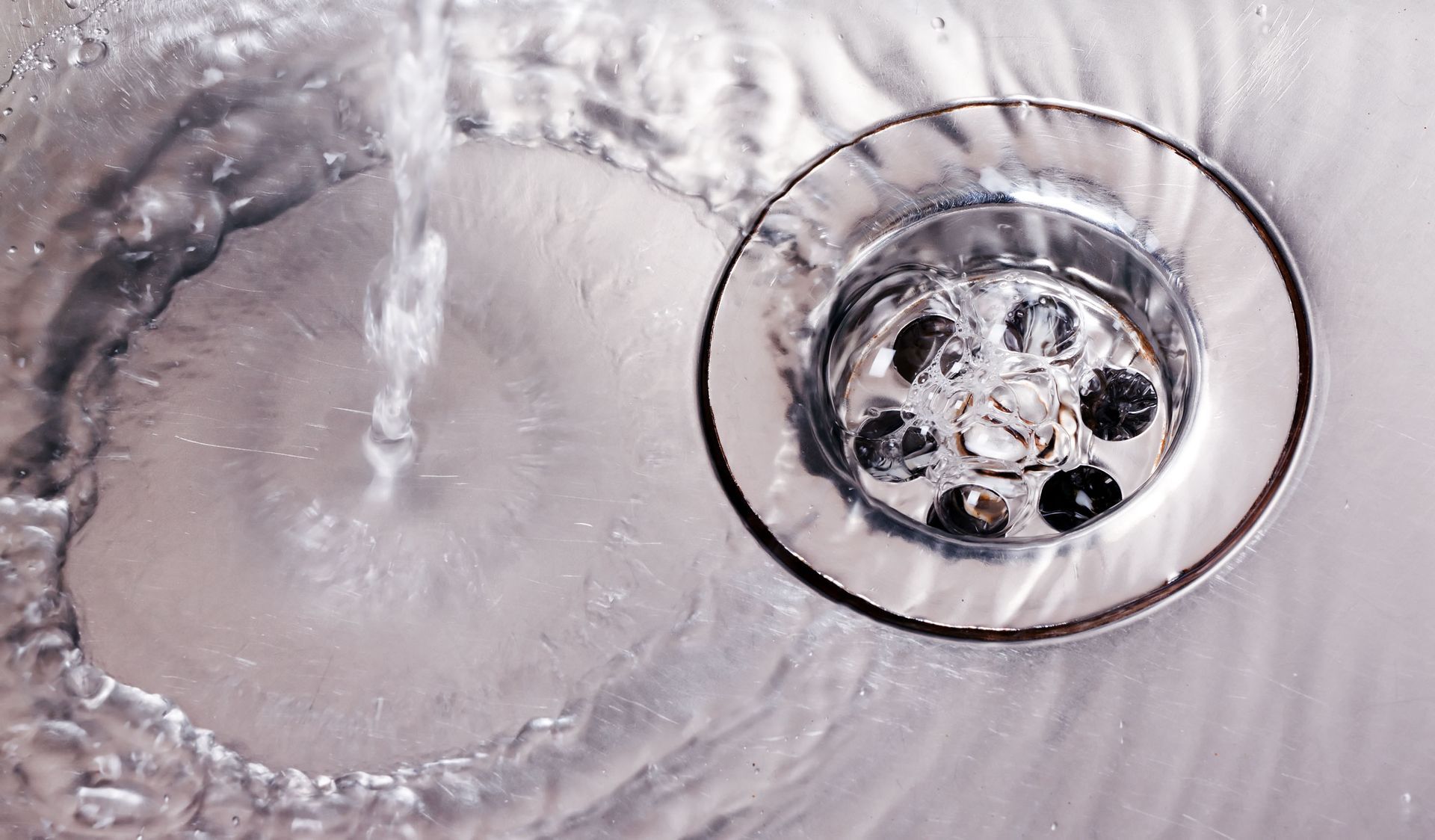
Slow drainage is a common indicator that your drains need attention and potential cleaning. This sluggishness usually suggests that a blockage is forming due to debris accumulation such as hair, soap scum, or food particles, which obstruct water flow. By addressing slow drainage early, you can prevent complete blockages and maintain the efficiency of the plumbing system. Investigating and resolving the cause of slow drainage can avert more severe issues that may require expensive repairs. Understanding this early warning sign is crucial for maintaining functional drains and preventing possible emergency situations.
Addressing slow drainage involves several techniques, ranging from DIY solutions to professional services. Homeowners can initially attempt using a plunger or drain snake to clear minor clogs. For more persistent issues, professional cleaning methods like hydro jetting may be necessary to thoroughly clear the pipes. Regular monitoring and cleaning can prevent slow drainage from progressing into major plumbing failures. Early detection followed by prompt action ensures continued efficiency and effectiveness in water flow throughout the home.
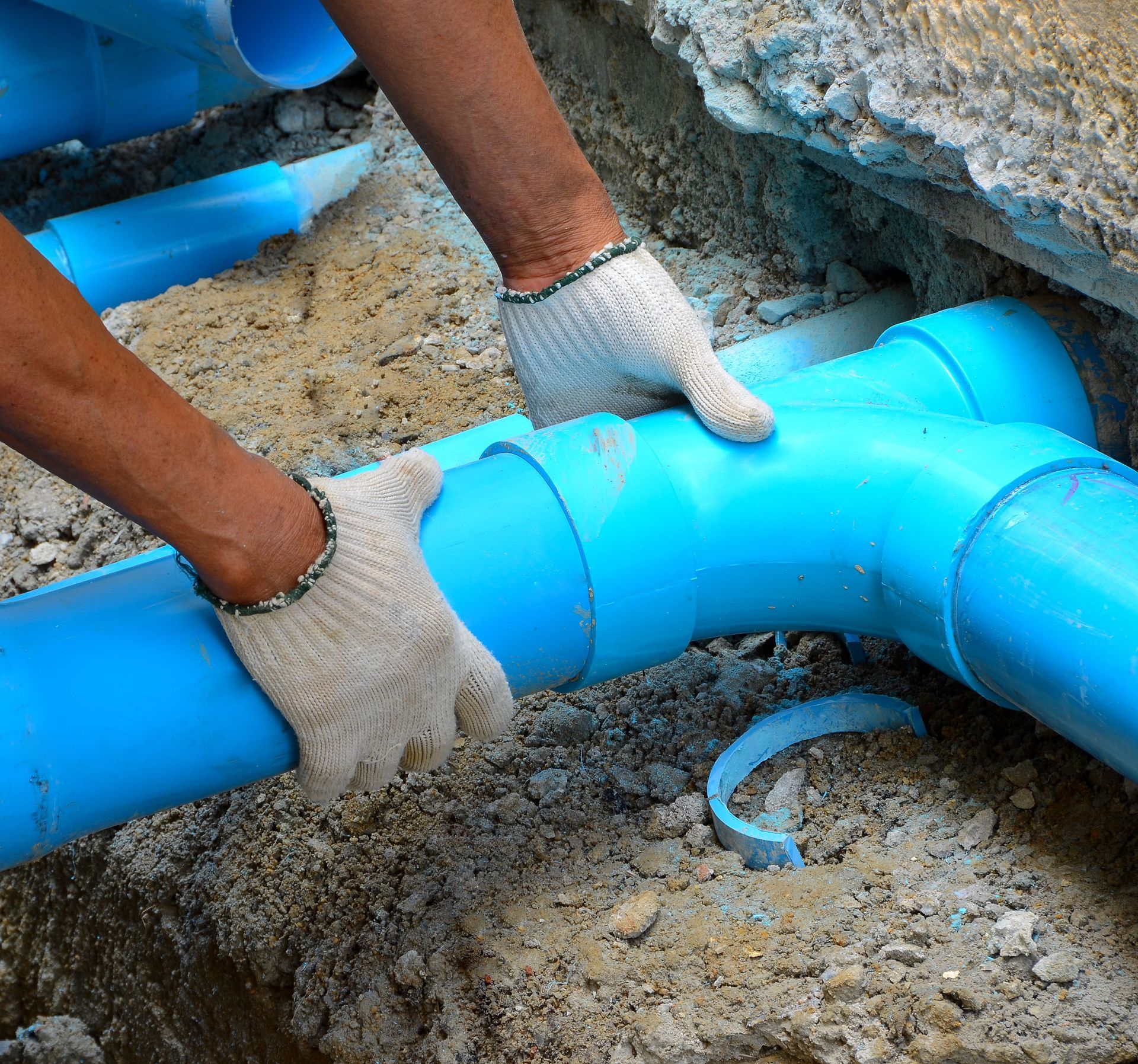
Slow drainage can also be an indicator of issues further down the pipeline. For example, tree roots can infiltrate underground pipes, leading to reduced flow and eventual pipe bursts. In these cases, early intervention is even more critical to avoid significant damage. Professional inspection can confirm the root cause, with video camera technology offering precise diagnostics. Such proactive measures ensure that slow drainage is effectively addressed and does not develop into complicated problems affecting the broader plumbing system.
Frequent Clogs
The occurrence of frequent clogs is a clear sign that your drainage system requires maintenance. Clogs can develop in any drain, including sinks, showers, and toilets, and recurring blockages indicate an underlying problem. These issues can be traced back to a buildup of hair, grease, soap, and other debris that restrict water passage. A drain cleaning routine can effectively manage and prevent such recurring issues by regularly removing the accumulated materials. Addressing clogs promptly is essential to protect the plumbing system from further complications.
Homeowners are advised to address clogs immediately to prevent escalation. Simple methods, such as using baking soda and vinegar, can dissolve minor blockages and restore flow. However, persistent clogs might require more advanced techniques, like hydro jetting, to completely clear the pipes. HomeGuide reports that tackling clogs at the outset takes less time and effort than dealing with severe blockages, emphasizing the importance of addressing them when they first appear. Early intervention in the face of recurring clogs ensures that drains remain functional and minimizes potential damage.
Frequent blockages also often indicate that the current plumbing system is overwhelmed or improperly designed, requiring professional evaluation. Reviewing the drain specifications and installing additional support such as strainers or adapted piping can alleviate ongoing clogging issues. Regular professional cleaning can identify systemic issues and advise necessary improvements to eliminate future clogs. Effective management of frequent blockages ensures comprehensive longevity and performance of the entire drainage infrastructure.
As you can see, regular drain cleaning services ensure that your plumbing functions properly. If you're looking for dependable drain cleaning services, don't hesitate to contact Dale's Plumbing & Rooter Service today. Our team cannot wait to assist you.